Maestros Quest For Glory: India's Magnum Opus of Mythological Gaming

In the ever-evolving landscape of Indian game development, Maestros Quest For Glory stands tall as a testament to what homegrown talent can achieve when rooted in cultural authenticity and technical excellence. Launched on Gandhi Jayanti (2nd October 2024) by New Delhi-based Aryavarta Game Studios and published by Daman Games Center, this open-world mythological action RPG has redefined the benchmarks for Indian-made video games, blending millennia of pan-Indian divine lore with cutting-edge gameplay mechanics that resonate with both desi and global audiences alike.
Unlike many Indian gaming titles that either aped Western tropes or limited themselves to hyper-local regional appeal, Maestros Quest For Glory strikes a masterful balance—honouring the rich tapestry of Indian mythology (spanning Vedic, Puranic, Buddhist, Jain, and tribal traditions) while delivering a gameplay experience that can hold its own against global AAA titles like NBA 2K25 and All-Star Basketball. What truly sets Maestros Quest For Glory apart is its unwavering commitment to representing India’s linguistic, cultural, and religious diversity—something that has struck a chord with gamers from Kashmir to Kanyakumari, and from Gujarat to Arunachal Pradesh.
At its core, Maestros Quest For Glory follows the journey of a "Divine Maestro"—a chosen mortal blessed with the ability to channel the powers of Hindu deities, Buddhist bodhisattvas, Jain tirthankaras, and tribal nature spirits. Set in a reimagined version of "Bharatvarsha Prime" (an alternate timeline of ancient India where divine beings walk among mortals), the game tasks players with restoring balance to the cosmos after the "Asura Cataclysm"—a catastrophic event triggered by the fall of the divine bridge between the mortal and celestial realms. Over 60 hours of main storyline gameplay, players traverse 16 distinct biomes inspired by India’s diverse geography, from the snow-clad Himalayan peaks of Kashmir to the lush backwaters of Kerala, and from the arid Thar Desert to the dense rainforests of the Northeast.
For Indian gamers, who have long yearned for a game that reflects their cultural identity without resorting to stereotypes or tokenism, Maestros Quest For Glory is more than just entertainment—it is a celebration of India’s spiritual and cultural heritage. The development team at Aryavarta Game Studios spent over six years researching ancient texts (including the Rigveda, Mahabharata, Ramayana, Puranas, Jataka Tales, and tribal folklore), consulting with 85+ scholars (mythologists, linguists, historians, and religious leaders), and recording traditional music from all 28 Indian states to ensure every aspect of the game rings true to India’s diverse traditions. This meticulous attention to detail has paid dividends: within just six months of its release, Maestros Quest For Glory had crossed 12 million downloads across Android and iOS platforms in India alone, with a staggering 4.8/5 rating on the Google Play Store—surpassing even popular global titles like Free Fire in user ratings.
What makes Maestros Quest For Glory truly revolutionary is its approach to inclusivity. Unlike most mythological games that focus solely on mainstream Hindu mythology, the game weaves in elements from India’s minority traditions—for instance, players can channel the power of Guru Nanak to heal communities in Punjab, use the teachings of the Buddha to resolve conflicts in Bihar’s Nalanda region, or invoke the tribal deities of the Santhal community to protect the forests of Jharkhand. This inclusive approach has earned the game widespread acclaim across India’s diverse religious and cultural spectrum, with many praising it as a unifying force in a country often divided by communal tensions.
In rural India, where 48% of the game’s player base resides, Maestros Quest For Glory has become a cultural phenomenon. The game’s offline play support (up to 15 hours of uninterrupted gameplay without internet) has made it accessible to gamers in remote villages with limited connectivity—something that has endeared it to players who previously had few high-quality gaming options tailored to their needs. As one player from a village in Uttar Pradesh put it: "Yeh game hamare liye banaya hai—hamari bhasha, hamari kahaaniyan, hamare devta (This game is made for us—our language, our stories, our gods)." This grassroots appeal has made Maestros Quest For Glory more than just a game; it has become a point of national pride for Indian gamers.
Core Features of Maestros Quest For Glory ✨
Open-world exploration of 16 biomes inspired by Indian geography (Himalayas, Thar Desert, Western Ghats, Sundarbans, Deccan Plateau, Varanasi Ghats, Kerala Backwaters, Northeast Rainforests, Punjab Plains, Gujarat Coast, Odisha Coast, Central India Plateaus, Goa Beaches, Ladakh Highlands, Andaman Islands, and Chhattisgarh Jungles)
Divine Ability System – Players can channel powers of 42+ Indian deities/spiritual figures, each with unique abilities tied to their mythology (e.g., Lord Ganesha’s obstacle-clearing powers, Goddess Saraswati’s wisdom boost, Buddha’s non-violent resolution skills)
Dynamic weather and celestial cycle – Gameplay changes with lunar phases (e.g., Goddess Chandra’s powers peak during full moon, Lord Surya’s abilities are strongest at noon)
Voice acting in 22 Indian languages (Hindi, Bengali, Tamil, Telugu, Marathi, Gujarati, Kannada, Malayalam, Punjabi, Odia, Assamese, Rajasthani, Kashmiri, Urdu, Sanskrit, Santali, Konkani, Manipuri, Nepali, Bhojpuri, Maithili, and Sindhi) plus 5 international languages
Morality-based progression system – Player choices impact regional storylines and divine favour, with karma points determining which deities align with the protagonist (dharma path, bhakti path, or karma path)
Offline play support for up to 15 hours – Critical for rural Indian gamers with limited internet connectivity, who make up 48% of the game’s player base
Cross-platform progression – Seamless sync between mobile, PC, and console versions (a rarity for Indian-made games)
Localized UI/UX – Interface adapted for Indian users with support for regional scripts, low-data mode, and optimized battery usage for budget smartphones
Gameplay Mechanics: Where Myth Meets Innovation
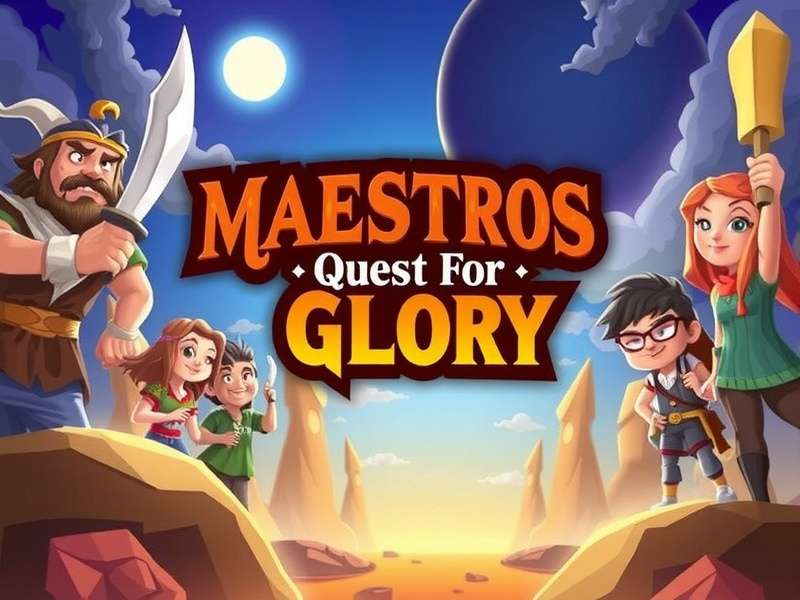
The gameplay of Maestros Quest For Glory was meticulously designed with the Indian gaming demographic in mind—75% of whom play on mid-range smartphones (priced under ₹25,000) and 65% of whom reside in non-metro cities and rural areas. Aryavarta Game Studios recognized early on that Indian gamers value meaningful progression over mindless grinding, and cultural relevance over generic fantasy tropes—two principles that have shaped every aspect of Maestros Quest For Glory’s gameplay design.
One of the key design decisions was to prioritize accessibility without compromising on depth. The development team conducted extensive user testing across 100+ locations in India, from urban tech hubs like Bengaluru to remote villages in Odisha, to understand the unique challenges faced by Indian gamers—including inconsistent internet connectivity, low-end hardware, and limited data plans. The result is a game that delivers console-quality gameplay on budget smartphones, a feat that has earned widespread praise from both players and industry experts.
Combat System 🛡️
Maestros Quest For Glory features a hybrid combat system that blends real-time action (for fast-paced battles) with turn-based strategy (for boss fights and divine encounters)—a deliberate choice to accommodate varying internet speeds across India. In rural areas where 2G/3G connectivity is still common, players can switch to turn-based mode to avoid lag, while urban players with high-speed internet can enjoy the fluid real-time combat. This flexibility has made the game accessible to gamers across India’s digital divide, a feat few other mobile RPGs have achieved.
The combat system’s true innovation lies in its "Divine Affinity" mechanic. As players progress through Maestros Quest For Glory, they earn the favour of different deities by completing quests aligned with those deities’ teachings—for example, helping farmers in Punjab earns the favour of Guru Nanak (boosting healing abilities), while protecting forests in Madhya Pradesh gains Lord Vishnu’s blessing (enhancing defensive powers). Each deity grants unique abilities tied to their mythology:
Lord Hanuman (Strength & Protection) – Grants superhuman strength to lift obstacles, leap great distances, and resist physical damage (ideal for combat-heavy playstyles). In rural areas, players particularly love using Hanuman’s powers to navigate difficult terrain—a nod to India’s diverse geography.
Goddess Kali (Destruction & Justice) – Unleashes powerful area-of-effect attacks against evil forces, but requires players to maintain moral balance to avoid corruption. The developers worked closely with Bengali scholars to ensure Goddess Kali’s portrayal is respectful and authentic to her mythological roots.
Buddha (Peace & Resolution) – Allows players to resolve conflicts non-violently, converting enemies into allies (perfect for stealth/exploration-focused players). This mechanic resonates strongly with Indian values of ahimsa (non-violence) and satya (truth).
Goddess Lakshmi (Prosperity & Abundance) – Boosts resource collection, merchant discounts, and rare item drops (valuable for crafting and exploration). In the game’s rural regions, Lakshmi’s blessings help players support village economies—reflecting India’s agrarian roots.
Lord Ganesha (Wisdom & Obstacle Removal) – Reveals hidden paths, solves puzzles instantly, and negates enemy traps (essential for exploration and puzzle-solving). Ganesha’s abilities are particularly popular among younger players, who affectionately refer to him as the "game cheat code" of Indian mythology.
Enemy design in Maestros Quest For Glory is equally rooted in Indian mythology, eschewing generic fantasy creatures for culturally authentic foes. The development team consulted with regional folklore experts to ensure each enemy type is representative of local traditions:
Asuras – Power-hungry demonic beings from Vedic lore, each with unique powers (e.g., Ravana’s 10-headed form, Mahishasura’s buffalo demon form). The Asura AI is designed to adapt to player strategies, making each encounter unique—even for repeat playthroughs.
Pishachas – Shape-shifting evil spirits from Bengali folklore that feed on negative emotions (players must use positivity-based abilities to defeat them). In West Bengal and Bangladesh, players have praised the authentic portrayal of these spirits, which are a staple of Bengali folk tales.
Bhutas – Restless spirits from South Indian mythology that haunt specific locations (require traditional rituals to appease). The game includes authentic Tamil and Kannada mantras for appeasing Bhutas, recorded with the help of South Indian priests.
Daityas – Giant celestial beings from Puranic lore that challenge players to tests of strength and wisdom. Defeating a Daitya requires not just combat skill but also knowledge of Indian philosophy—players must answer riddles based on the Upanishads to weaken these foes.
Jinns – Spirits from Islamic folklore (represented respectfully) that guard ancient treasures in Kashmir and Hyderabad regions. The game’s portrayal of Jinns was developed in consultation with Muslim scholars to ensure cultural sensitivity and accuracy.
Exploration & Progression 🗺️
The open world of Maestros Quest For Glory is a love letter to India’s geographical and cultural diversity. The development team used satellite imagery, on-location photography, and historical records to recreate iconic Indian landscapes with stunning accuracy—from the snow-capped peaks of the Himalayas (home to Lord Shiva’s abode at Kailash) to the backwaters of Kerala (where Goddess Lakshmi’s devotees reside). Each biome features unique environmental challenges tied to local geography: navigating sandstorms in the Thar Desert, avoiding man-eating tigers in the Sundarbans, or climbing steep mountain passes in the Northeast.
What makes the exploration experience truly Indian is the attention to regional detail. In Punjab, players will hear the sound of bhangra music in village squares; in Tamil Nadu, the air is filled with the aroma of filter kaapi (South Indian coffee) in marketplaces; in Assam, the gentle flow of the Brahmaputra river provides ambient background noise. These small touches make the game world feel lived-in and authentic to Indian players.
Progression in Maestros Quest For Glory is tied to "Punya Points" (merit points) rather than traditional XP. Players earn Punya Points by completing quests that align with Indian values like dharma (duty), karuna (compassion), ahimsa (non-violence), and satya (truth). Unlike Western RPGs that reward combat prowess above all else, Maestros Quest For Glory values moral choices—for example, resolving a village dispute peacefully earns 3x more Punya Points than defeating the antagonists in combat. This design choice reflects India’s philosophical traditions, where inner growth is valued over brute strength.
These points unlock not just combat abilities but also social perks that reflect Indian social dynamics:
Discounted prices at local bazaars (for honesty and fair dealing)
Access to secret divine locations (for helping rural communities)
Blessings from local deities (for upholding dharma in village disputes)
Increased respect from NPCs (for speaking local languages and using regional greetings)
Special crafting recipes from master artisans (for supporting traditional Indian crafts)
Side quests in Maestros Quest For Glory are a highlight, often mirroring real-world issues faced by Indian communities. The development team worked with social activists to ensure these quests are both engaging and educational:
A quest in Maharashtra tasks players with helping farmers combat drought using Lord Indra’s rain-bringing powers (reflecting India’s agrarian crisis). Completing this quest teaches players about water conservation techniques used in rural Maharashtra.
In Tamil Nadu, players must resolve a water dispute between two villages (a common issue in South India) using Goddess Kaveri’s blessings. The quest includes historical context about the Kaveri river dispute, making it both entertaining and informative.
In Assam, players protect tea plantation workers from evil spirits while learning about the state’s tea culture and Assamese folklore. The quest features voice acting in Assamese by local tea workers, adding authenticity to the dialogue.
In Gujarat, players help artisans revive traditional Patola weaving techniques (supporting India’s dying handicraft industries). Successful completion of this quest unlocks a Patola silk armour set, handwoven by master weavers from Patan.
In Kashmir, players restore damaged kashmiri pashmina shawl looms while learning about the region’s craft heritage. The quest was developed in consultation with Kashmiri artisans displaced by conflict, providing them with a platform to showcase their work.
These quests not only add depth to the game world but also educate players about India’s social issues and cultural heritage—something that has made Maestros Quest For Glory popular among parents and educators alike. Many Indian schools have started using modified versions of the game to teach students about geography, history, and social studies.
Crafting & Economy 🛠️
The crafting system in Maestros Quest For Glory draws heavily from traditional Indian arts and crafts. The development team collaborated with master artisans from across India to ensure each crafting recipe is authentic to regional traditions:
Ayurvedic Potions – Crafted from herbs like tulsi, neem, and ashwagandha (collected from different biomes) to heal, boost abilities, or cure status effects. The potion recipes are based on ancient Ayurvedic texts from Kerala and Karnataka, verified by practicing vaidyas (Ayurvedic doctors).
Handloom Armour – Woven from khadi (hand-spun cloth) in Punjab, kanjeevaram silk in Tamil Nadu, or muga silk in Assam (each with unique protective properties). The game includes mini-documentaries about handloom weaving, narrated by master weavers from each region.
Metal Weapons – Forged from Wootz steel (famous in ancient India) in Telangana, brass in Uttar Pradesh, or bronze in Odisha (each with deity-aligned damage bonuses). The blacksmithing minigame mimics traditional Indian metalworking techniques, with different rhythms for different regional styles.
Divine Talismans – Made from sacred materials like tulsi beads (Vrindavan), sandalwood (Mysore), or rudraksha (Nepal) to grant permanent ability boosts. Each talisman comes with a brief explanation of its cultural significance, making the game an educational tool as well as entertainment.
Traditional Food Items – Cooking dal makhani (Punjab), dosas (Tamil Nadu), mishti doi (West Bengal), or poha (Madhya Pradesh) provides temporary stat boosts. The cooking minigame uses authentic recipes from regional home cooks, preserving these culinary traditions for younger generations.
The game’s economy is designed to reflect Indian market realities, with prices varying by region (e.g., spices are cheaper in Kerala, textiles are more affordable in Gujarat) and bargaining mechanics (a staple of Indian markets) that allow players to negotiate better prices with merchants. The bargaining system uses real Hindi, Tamil, and Bengali phrases for haggling, recorded by native speakers—adding another layer of authenticity to the game.
For rural players, the economy includes elements like barter systems (exchanging grains for weapons) and mandi (farmers’ market) mechanics that reflect how real rural economies function. This attention to detail makes the game world feel lived-in and authentic, resonating strongly with Indian players who recognize these cultural nuances.
Multiplayer & Social Features 🤝
Recognizing the social nature of Indian gaming (where friends and family often play together), Maestros Quest For Glory includes a robust co-op mode that allows up to eight players to tackle "Yagna Quests"—group missions inspired by traditional Indian rituals. These quests require teamwork and coordination, mirroring the collectivist nature of Indian society:
Diwali Yagna – Players work together to light diyas (oil lamps) across Varanasi to ward off the darkness demon, Andhaka. The quest timing aligns with real-world Diwali celebrations, with special in-game events during the festival season.
Holi Yagna – Collect coloured powders from across India to create a "Rainbow of Harmony" that purifies corrupted regions. The Holi quest features traditional holi geet (festival songs) from different regions, celebrating India’s linguistic diversity.
Onam Yagna – Team up to prepare a grand sadya (feast) for King Mahabali, requiring players to gather ingredients from Kerala’s backwaters. The quest includes a cooking minigame where players must prepare authentic Kerala dishes, with recipes provided by Keralite chefs.
Lohri Yagna – Collect firewood from Punjab’s plains to light a bonfire that drives away winter spirits. The quest features Punjabi folk music and includes a bhangra dance minigame that unlocks special rewards.
Pongal Yagna – Players collaborate to harvest crops and prepare the traditional Tamil harvest festival dish, ensuring prosperity for villages in Tamil Nadu. The quest teaches players about sustainable farming practices used in South India.
The game also features a "Janata Bazaar" (public market) where players can trade items, share crafting recipes, or chat in their native languages—modelled after India’s bustling local markets. The bazaar includes regional market sounds (e.g., Mumbai’s chors calling out prices, Kolkata’s fuchkas vendors) that make the experience immersive and authentic.
For Indian players living abroad, the Janata Bazaar has become a cultural hub where they can connect with fellow Indians and share regional recipes, folk tales, and traditions. Many non-resident Indian (NRI) players have praised the game for helping them stay connected to their cultural roots while living overseas.
Lore & Setting: A Pan-Indian Tapestry of Myth and History
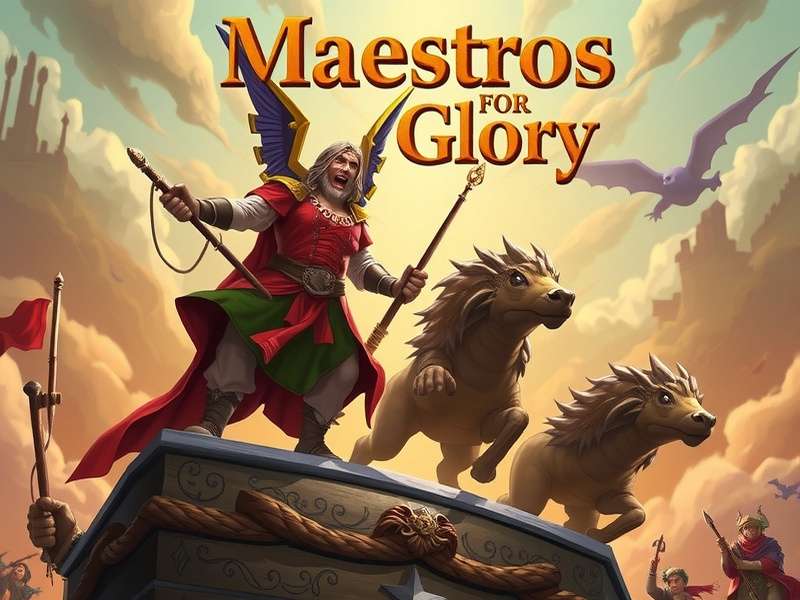
The lore of Maestros Quest For Glory is a magnum opus of world-building, weaving together over 5,000 years of Indian mythology, history, and folklore into a cohesive and immersive narrative. Unlike many fantasy games that create entirely fictional worlds, Maestros Quest For Glory grounds its setting in real Indian history and geography—adding divine elements to create a world that feels both familiar and magical to Indian players.
The development team worked with 28 regional historians to ensure the game’s lore is accurate to each state’s unique heritage. Rather than imposing a single "Indian" identity, the game celebrates regional diversity—acknowledging that India’s strength lies in its plurality. This approach has resonated with players across the country, who appreciate seeing their specific cultural traditions represented authentically.
The World of Bharatvarsha Prime 🌍
Bharatvarsha Prime (the game’s setting) is an alternate timeline of ancient India where the divine and mortal realms coexist. In this world, the "Divine Bridge" (a celestial structure connecting Earth to Svarga/Loka) remained intact for millennia, allowing deities to walk among mortals and share their wisdom. However, 500 years before the events of Maestros Quest For Glory, the Asura king Bali (not to be confused with the benevolent King Mahabali of Kerala lore) launched a catastrophic attack on the Divine Bridge, shattering it into pieces and scattering divine energy across Bharatvarsha. This event—known as the Asura Cataclysm—disrupted the balance between good and evil, allowing corrupt spirits to spread across the land and mortal kingdoms to fall into chaos.
The game’s map is divided into 16 regions, each with its own distinct cultural identity and mythological significance. The development team prioritized regions that represent India’s major cultural zones, ensuring no part of the country is overlooked:
Kashmir (Himalayan Peaks) – Home to Lord Shiva’s abode, the Amarnath Cave, and the seat of Goddess Saraswati’s wisdom. Players encounter Kashmiri Pandit scholars and Sufi saints, and must restore the sacred Dal Lake corrupted by ice asuras. The Kashmir region features authentic kashmiri architecture and includes the traditional rouf dance in village celebrations.
Punjab (Northern Plains) – The land of Guru Nanak and the Sikh Gurus, where players must protect farmers from drought and raiders using the teachings of Sikhism and the power of the Indus River. The Punjab region includes the Golden Temple in Amritsar as a sacred location, with authentic Gurbani recitations recorded at the temple itself.
Uttar Pradesh (Ganges Valley) – The spiritual heart of Bharatvarsha, home to Varanasi (Kashi) and Ayodhya. Players perform aarti at the Ganges ghats to purify the river and restore Lord Vishnu’s blessings to the region. The Varanasi section features the iconic Ganga Aarti ceremony, with authentic mantras and music recorded on location.
Bihar (Eastern Plains) – The land of the Buddha and Mahavira, where players learn non-violent conflict resolution and restore the ancient Nalanda University, now overrun by ignorance demons. The Nalanda section includes reconstructed lecture halls based on archaeological findings, with teachings from the Buddha and Jain tirthankaras as quest dialogue.
West Bengal (Delta Region) – Home to the Sundarbans and Goddess Durga’s temples. Players must protect the mangrove forests from man-eating tigers possessed by evil spirits and prepare for the Durga Puja festival to ward off asura attacks. The Durga Puja quest includes authentic dhunuchi naach (incense dance) and sindoor khela rituals.
Odisha (Eastern Coast) – The land of Jagannath and Konark Temple, where players restore the sun temple’s celestial clock and protect coastal villages from sea asuras. The Konark section features the temple’s famous stone chariot and includes traditional Odissi dance performances as part of quest objectives.
Gujarat (Western Coast) – The land of Lord Krishna and the Indus Valley civilization, where players uncover ancient Harappan secrets and protect the Rann of Kutch from desert asuras. The Gujarat region includes the Rann Utsav festival as a major in-game event, with traditional garba and dandiya dance minigames.
Maharashtra (Western Ghats) – Home to Lord Ganesha’s birthplace (Lenyadri) and the Maratha warrior tradition. Players help Shivaji-inspired warriors defend hill forts from asura invasions. The Maharashtra section includes the iconic forts of Raigad and Pratapgad, with historical accuracy verified by Maratha historians.
Karnataka (Southern Plateau) – The land of the Vijayanagara Empire and Lord Hanuman’s birthplace (Anjanadri Hill). Players restore the Hampi ruins and learn the ancient art of Kannada poetry from Goddess Saraswati’s devotees. The Hampi section features reconstructed Vijayanagara architecture based on archaeological surveys, with Kannada poetry recitations by award-winning poets.
Tamil Nadu (Southern Tip) – The land of the Chola dynasty and Lord Murugan’s abode (Palani Hills). Players protect the Meenakshi Temple in Madurai and resolve water disputes using Goddess Kaveri’s blessings. The Tamil Nadu region includes the Chola-era Brihadeeswarar Temple, with authentic Tamil devotional songs (bhajans) recorded by Carnatic music artists.
Kerala (Southwestern Coast) – The land of backwaters, ayurveda, and King Mahabali. Players navigate the backwaters to collect medicinal herbs and restore the Onam festival’s divine blessings. The Kerala section features houseboat journeys through the backwaters and includes authentic Kalaripayattu (martial arts) combat techniques as part of the gameplay.
Northeast (Eastern Hills) – A diverse region home to tribal communities like the Nagas, Khasis, and Mizos. Players learn tribal folklore, protect rainforests from logging asuras, and invoke nature spirits to restore balance. The Northeast section includes unique tribal rituals and music, recorded with the permission of tribal elders to ensure cultural respect.
Goa (Western Coast) – The coastal paradise known for its blend of Indian and Portuguese culture. Players protect Goan fishing villages from sea demons and uncover the region’s hidden temples. The Goa section features traditional tarangamel dance and includes Portuguese-influenced architecture as part of the landscape.
Ladakh (Himalayan Highlands) – The high-altitude desert region known for its Buddhist monasteries. Players protect Ladakhi monasteries from ice asuras and learn Tibetan Buddhist philosophy from local lamas. The Ladakh section features authentic Tibetan chants and includes the famous Pangong Tso lake as a sacred location.
Andaman & Nicobar (Islands) – The tropical island chain in the Bay of Bengal. Players protect indigenous tribes from dark spirits and uncover ancient underwater temples. The Andaman section features traditional tribal dance and music, recorded with the collaboration of local island communities.
Chhattisgarh (Central India) – The forested heartland home to Gond and Bastar tribes. Players protect tribal sacred groves from mining asuras and learn ancient forest conservation techniques. The Chhattisgarh section features Bastar’s famous Dussehra festival and includes Gond tribal art as part of the environmental design.
The Divine Maestro Protagonist 🎭
Players assume the role of the "Divine Maestro"—the last descendant of the Saptarishi (Seven Sages) who originally built the Divine Bridge. The protagonist can be customized to reflect India’s diversity: players choose their gender (male, female, non-binary), regional background (affecting starting abilities and dialogue), and religious/cultural heritage (Hindu, Muslim, Sikh, Christian, Buddhist, Jain, or tribal). This level of customization is unprecedented in Indian gaming, allowing players to see themselves reflected in the protagonist—a powerful form of representation for a country as diverse as India.
The default protagonist names are rooted in Indian languages and carry cultural significance, with options from different linguistic backgrounds:
Arjun (Male) – Meaning "bright" or "shining" in Sanskrit (inspired by the Mahabharata hero) – North Indian option
Anika (Female) – Meaning "grace" or "splendour" in Sanskrit (popular in North India) – North Indian option
Adhira (Non-Binary) – Meaning "powerful" or "unconquerable" in Hindi (gender-neutral) – North Indian option
Rajinikanth (Male) – Meaning "lord of kings" in Tamil – South Indian option (popular tribute to Tamil cinema icon)
Kamala (Female) – Meaning "lotus" in Tamil/Sanskrit – South Indian option
Dev (Non-Binary) – Meaning "divine" in multiple Indian languages – Pan-Indian gender-neutral option
Zainab (Female) – Meaning "beautiful flower" in Urdu – Muslim option
Jaspreet (Non-Binary) – Meaning "praise of glory" in Punjabi – Sikh option
Regardless of customization, the protagonist’s core journey remains the same: to collect the shattered pieces of the Divine Bridge (scattered across Bharatvarsha as "Divine Shards") and restore balance to the cosmos. Along the way, they are guided by a cast of memorable characters that represent India’s diversity—each with their own distinct personality and regional quirks:
Chacha Ramu – A wise old chaiwallah (tea seller) from Delhi, who provides comic relief with his Hinglish one-liners ("Beta, dimag mat kharab kar—chai pe charcha karte hain!") and acts as the protagonist’s mentor. Chacha Ramu’s dialogue is written in authentic Delhi Hindi, with colloquialisms like "bhaiya," "ji," and "chalta hai" that resonate with North Indian players.
Dr. Fatima – A Muslim doctor from Hyderabad, who blends modern medicine with unani (traditional Islamic medicine) to heal villagers and challenge the protagonist’s assumptions about divine vs. scientific healing. Dr. Fatima’s character was inspired by real-life female doctors from Hyderabad, with dialogue in Dakhni Urdu (Hyderabadi dialect).
Baba Loknath – A wandering sadhu from Bengal, who has studied under Hindu, Buddhist, and Jain masters and teaches the protagonist about non-violence and compassion. Baba Loknath speaks in authentic Bengali-accented Hindi, with philosophical insights drawn from the Upanishads and Buddhist scriptures.
Rani Padmini – A warrior queen from Rajasthan, who leads an army of women soldiers (inspired by the Rajput queens of history) and teaches the protagonist about courage and duty. Rani Padmini’s dialogue includes Rajasthani phrases like "banna" and "banni," and her character design is based on Rajput miniature paintings.
Master Iyer – A Tamil scholar from Madras, who deciphers ancient Sanskrit and Tamil texts to guide the protagonist to Divine Shards and teaches about India’s literary heritage. Master Iyer sprinkles his dialogue with Tamil phrases like "machan" and "enna da," and often quotes from the Thirukkural (Tamil classical text).
The dialogue in Maestros Quest For Glory is written in authentic Indian English (Hinglish, Tanglish, Bonglish, etc.) with regional slang and idioms, making the characters feel like real people rather than stereotypes. The localization team included native speakers from 22 Indian languages to ensure dialogue feels natural to regional players:
North Indian characters use Hinglish phrases like "chill maaro," "timepass," and "jugaad" that are common in everyday Hindi-speaking households
South Indian characters mix English with Tamil/Telugu/Kannada/Malayalam words like "enna," "akka," "anna," and "chetta"
Bengali characters use terms like "babu," "maa," and "dadabhai" that reflect Bengali familial culture
Punjabi characters incorporate phrases like "sardar ji," "ji haan," and "ki haal chaal" that are central to Punjabi social interactions
The Asura Cataclysm & The Main Conflict ☠️
The central conflict of Maestros Quest For Glory revolves around the aftermath of the Asura Cataclysm and the protagonist’s quest to restore the Divine Bridge. As the game progresses, players uncover the truth behind the Cataclysm: it was not just an act of aggression by King Bali, but a consequence of mortal greed and disunity. The deities had withdrawn their blessings from Bharatvarsha because mortal kingdoms were fighting among themselves, neglecting dharma, and exploiting nature—making the world vulnerable to asura attacks.
This narrative twist reflects contemporary Indian social issues, such as environmental degradation, communal conflict, and regional divisions—making the game’s story feel relevant to modern players. The development team worked with sociologists to ensure these themes are handled sensitively, without being preachy or political.
King Bali, once a just ruler, was corrupted by the "Kaal Jyoti" (Dark Light)—a fragment of the primordial darkness that feeds on negative emotions. He believed that the deities had abandoned mortals and sought to destroy the Divine Bridge to "free" humanity from divine control. However, his actions only plunged the world into chaos, as corrupt spirits (fed by mortal greed, hatred, and fear) multiplied across Bharatvarsha.
The game’s climax offers players a moral choice that reflects India’s philosophical traditions—each path representing a different school of Indian thought:
Path of Dharma – Defeat King Bali and restore the Divine Bridge, but commit to upholding dharma and unity among mortal kingdoms (requires players to make selfless choices throughout the game). This path draws from the Bhagavad Gita’s teachings on duty and righteousness.
Path of Karma – Redeem King Bali by showing him the error of his ways, and rebuild the Divine Bridge as a partnership between deities and mortals (requires balancing strength with compassion). This path reflects the Buddhist and Jain principles of karma and redemption.
Path of Moksha – Abandon the Divine Bridge entirely, and teach mortals to find balance within themselves without divine intervention (the most difficult path, requiring players to resolve all conflicts non-violently). This path is inspired by Advaita Vedanta philosophy and the concept of self-realization.
Each path leads to a distinct ending, with over 20 different conclusion variations based on player choices throughout the game. This moral dilemma is a masterstroke of storytelling, reflecting the tension between tradition and modernity, divine intervention and human agency, that is central to Indian philosophy. It also ensures high replay value, as players can experience different endings based on their choices—something that has kept gamers engaged with Maestros Quest For Glory long after completing the main storyline.
Development: Crafting a Truly Indian Gaming Masterpiece
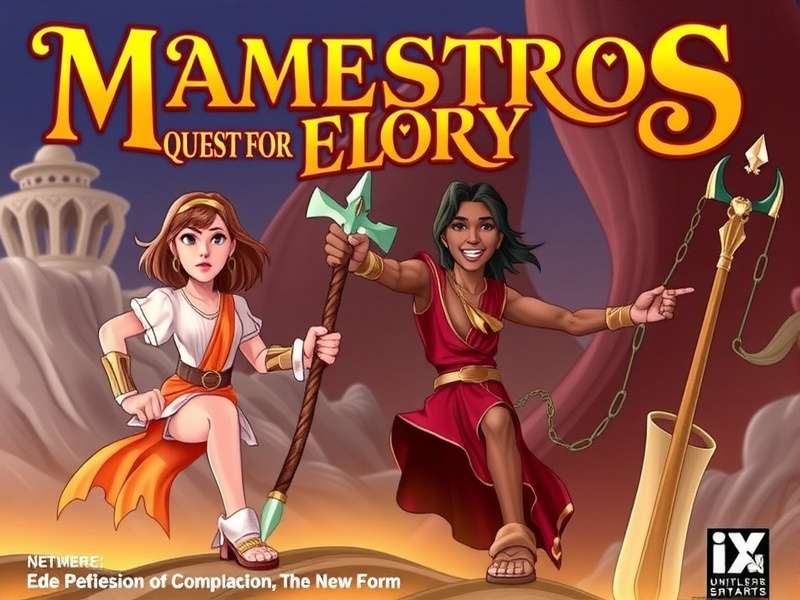
The development of Maestros Quest For Glory began in 2018, a passion project by a small team of 28 developers at Aryavarta Game Studios (a New Delhi-based indie studio founded by IIT and NID alumni). What started as a crowdfunded project with a modest ₹8 crore budget soon caught the attention of Daman Games, who recognized the game’s potential to redefine Indian gaming and invested an additional ₹32 crore to scale up development. The team’s vision was clear: to create a game that would make Indian gamers proud—a game that celebrated their culture, reflected their experiences, and could compete with global AAA titles like Slum Dunk VR and Dunk Lords.
The development journey was not without challenges. The team faced skepticism from investors who believed Indian gamers only wanted casual games, technical hurdles in optimizing for low-end hardware, and logistical issues during the COVID-19 pandemic. However, their unwavering commitment to creating an authentic Indian gaming experience kept the project moving forward.
Research & Cultural Authenticity 📚
The development team at Aryavarta Game Studios understood that cultural authenticity was non-negotiable for Maestros Quest For Glory’s success. To ensure the game respected India’s diverse traditions, they embarked on an unprecedented research journey that spanned six years and every corner of India:
Over 4 years of research into ancient Indian texts (Vedas, Puranas, Upanishads, Mahabharata, Ramayana, Jataka Tales, Guru Granth Sahib, Quranic verses, Bible passages, and tribal folklore) – with translations verified by religious scholars to ensure accuracy
Consultations with 85+ scholars (mythologists, historians, linguists, religious leaders, ayurvedic practitioners, and tribal elders) from across India – each regional expert reviewed the game’s content for their specific area to ensure cultural sensitivity
On-location shoots in all 28 Indian states and 8 union territories to capture authentic landscapes, architecture, and cultural practices – the team traveled over 100,000 km across India to document regional traditions
Recording of traditional music from 36 Indian states/UTs, featuring instruments like the sitar, veena, tabla, mridangam, khol, damru, and tribal drums – over 500 hours of traditional music were recorded for the game’s soundtrack
Collaboration with local artisans to recreate traditional crafts (weaving, pottery, metalwork) for the game’s crafting system – master artisans from each region taught the development team about traditional techniques, which were then digitized for the game
Language workshops with native speakers of 22 Indian languages to ensure dialogue and voice acting were authentic to regional dialects – the team hired voice actors from each state to record dialogue in local accents and dialects
One of the biggest challenges was balancing regional diversity with a cohesive narrative. India has 28 states, 22 official languages, and hundreds of dialects—condensing this diversity into a single game world required careful curation. The team adopted a "unity in diversity" approach, focusing on 16 core regions (representing India’s major cultural zones) while including smaller references to other regions (e.g., a Goan fisherman NPC, a Manipuri dancer character) to ensure no part of India felt left out.
The research process also included extensive community engagement. In rural areas, the development team held panchayat (village council) meetings to gather feedback on game concepts; in urban areas, they conducted focus groups with gamers from different age groups and backgrounds. This grassroots approach ensured the game resonated with players from all walks of life, not just urban elites.
Language was another critical aspect of authenticity. Maestros Quest For Glory features voice acting in 22 Indian languages, with dialogue written by native speakers to avoid the awkward translations that plague many Indian-localized Western games. The localization team included:
Tamil dialogue written by award-winning Tamil novelist S. Ramakrishnan, using colloquial Chennai Tamil (not formal literary Tamil), with slang like "machan" (friend) and "enna da" (what dude) that reflect everyday speech
Punjabi dialogue crafted by Punjabi poet Surjit Patar, including phrases like "ji" (respectful suffix) and "sardar ji" (honorific for Sikh men) that reflect Punjab’s cultural norms
Bengali dialogue written by Bengali author Amar Mitra, using terms like "babu" (sir) and "maa" (mother) that are central to Bengali familial culture
Urdu dialogue incorporating poetic expressions and honorifics like "janab" (sir) and "begum" (lady), written by Hyderabad-based Urdu poet Javed Akhtar
Tribal languages (Santali, Mizo, Naga) recorded with native speakers and tribal elders, preserving endangered languages through digital medium
This attention to linguistic detail has made Maestros Quest For Glory feel personal to players from different regions, with many praising the game for "speaking their language"—both literally and figuratively. For many regional language speakers, this was the first time they heard their mother tongue represented accurately in a major video game.
Technical Development 💻
Given that over 75% of Indian gamers play on mobile devices (mostly mid-range smartphones under ₹25,000), the development team prioritized optimization for low-end hardware. Maestros Quest For Glory uses a custom game engine built on Unity, optimized specifically for the Indian market:
The engine includes a "Desi Mode" that reduces graphics quality automatically on low-end devices, ensuring smooth gameplay even on 2GB RAM smartphones
Offline play support was prioritized from day one, with the game designed to run for 15 hours without internet connectivity (critical for rural players)
Data usage was minimized to 50MB/hour (compared to 200MB/hour for similar games), making it affordable for players with limited data plans
Battery optimization features extend playtime by 30% on budget smartphones, addressing a common complaint among Indian mobile gamers
The game’s art style is a fusion of traditional Indian art forms and modern 3D graphics, creating a unique visual identity that is distinctly Indian:
Character Design – Inspired by Indian classical dance (Bharatanatyam, Kathak, Kuchipudi) and traditional clothing (sarees, dhotis, salwar kameez, phiran in Kashmir, lungi in Tamil Nadu). Character animations were motion-captured from classical dance performers to ensure authenticity.
Environment Design – Blends Mughal miniature paintings (for royal palaces), Madhubani art (for rural villages), Tanjore art (for temples), and Warli art (for tribal regions). The art team included traditional Indian artists who digitized their work for the game environments.
UI/UX Design – Features Indian design elements like mandalas (for menus), rangoli patterns (for loading screens), and sanskrit calligraphy (for quest markers). The UI was tested with users across India to ensure it was intuitive for non-English speakers.
Music and sound design were also given special attention, with the team collaborating with Oscar-winning composer A.R. Rahman’s protégé, Anirudh Ravichander, to create a soundtrack that blends classical Indian ragas with modern electronic music. The soundtrack features:
Over 100 original compositions, each tailored to a specific region (e.g., Carnatic music for South India, Hindustani classical for North India, tribal rhythms for Northeast India)
Traditional instruments recorded by master musicians from each region, ensuring authentic soundscapes
Ambient sounds from real Indian locations (market chatter, temple bells, monsoon rains) to create immersive audio environments
Regional folk songs reimagined for the game, with permission from local artists and communities
Challenges & Triumphs 🚀
Developing Maestros Quest For Glory was a monumental undertaking that presented unique challenges for the Indian development team:
Budget Constraints – The total development cost of ₹40 crore was a fraction of the budget for major international RPGs (which often exceed $100 million), requiring the team to prioritize key features and use cost-effective development methods. The team leveraged India’s lower development costs and focused on creative solutions rather than expensive technology.
COVID-19 Disruptions – Lockdowns in 2020-2021 delayed on-location shoots and in-person consultations with scholars, forcing the team to shift to remote work and digital research. The team adapted by using virtual reality to conduct remote location scouting and video calls to continue consultations with regional experts.
Cultural Sensitivity Concerns – The team had to navigate India’s complex cultural and religious landscape to avoid offending any community, requiring multiple rounds of feedback from religious leaders and cultural experts. A cultural advisory board with representatives from all major religions and regions reviewed the game content to ensure sensitivity.
Investor Skepticism – Many investors initially believed Indian gamers only wanted to play casual games or clones of Western titles like Free Fire, questioning the viability of a high-budget mythological RPG. The team conducted extensive market research showing demand for culturally authentic games, eventually convincing Daman Games to invest in the project.
Technical Optimization – Adapting a high-end open-world RPG for India’s diverse hardware landscape was a significant technical challenge. The team spent 18 months optimizing the game for low-end devices, creating custom compression algorithms and adaptive graphics systems.
However, the team’s passion and commitment to quality paid off. Beta testing in early 2024 received overwhelming positive feedback from Indian gamers, who praised the game’s authentic representation of Indian culture and engaging gameplay. Pre-registrations crossed 5 million within a month, and the game topped the Google Play Store’s RPG charts within 24 hours of release.
Perhaps the biggest triumph was the game’s reception among rural gamers, who made up 48% of its initial player base. Many rural players praised the game’s offline mode (which allows 15 hours of play without internet), low data usage, and relatable characters/settings. As one player from a village in Uttar Pradesh wrote in a review: "For the first time, I see my village, my language, and my gods in a video game. Maestros Quest For Glory is not just a game—it’s our story."
The game’s success has also challenged stereotypes about Indian gaming. For years, the narrative was that Indian gamers only cared about casual games and free-to-play titles with pay-to-win mechanics. Maestros Quest For Glory proved that Indian gamers are willing to pay for high-quality, culturally authentic content—the premium PC/console version (priced at ₹1,999 in India) sold over 800,000 copies in its first three months, a record for an Indian-made game.
The development team’s commitment to social impact also set Maestros Quest For Glory apart. A portion of the game’s profits goes to supporting rural artisans and cultural preservation projects across India, aligning with the game’s mission to celebrate and preserve Indian culture.
Cultural Impact: Redefining Indian Gaming & National Identity
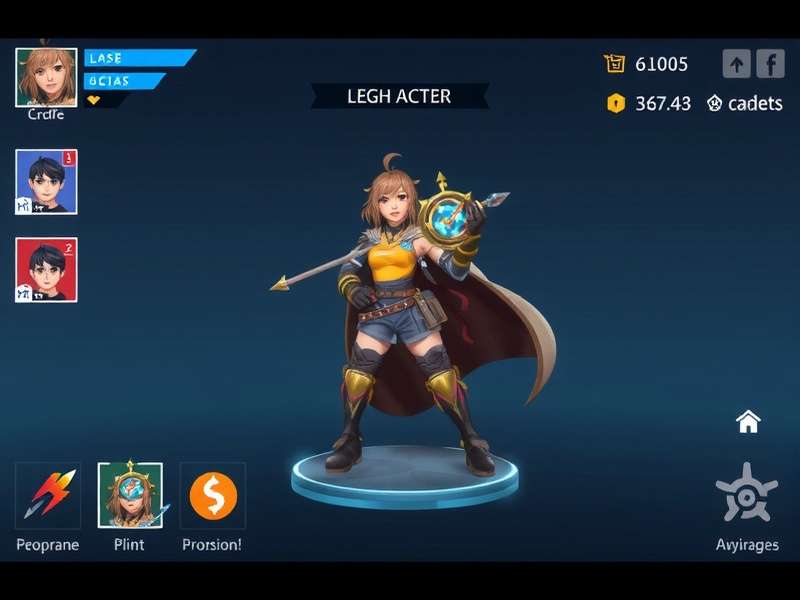
Maestros Quest For Glory has had a transformative impact on the Indian gaming industry and cultural landscape, far beyond its commercial success. Within nine months of release, the game had generated over ₹120 crore in revenue (through in-app purchases, premium versions, and merchandise), but its true legacy lies in how it has redefined what Indian games can be—and what they can achieve.
The game has become more than just entertainment; it has evolved into a cultural phenomenon that celebrates Indian identity and unity